Buy snelkoerier.eu ?
We are moving the project
snelkoerier.eu .
Are you interested in purchasing the domain
snelkoerier.eu ?
domain@kv-gmbh.de · 0541-91531010
Buy snelkoerier.eu ?
How do you plant seeds?
To plant seeds, you first need to prepare the soil by loosening it and removing any weeds. Then, dig a small hole or furrow in the soil and place the seeds inside at the recommended depth. Cover the seeds with soil and gently pat it down. Water the area thoroughly and keep the soil consistently moist until the seeds germinate. Finally, provide adequate sunlight and care for the seedlings as they grow. **
Can you plant pomelo seeds?
Yes, you can plant pomelo seeds. Pomelo seeds can be planted in well-draining soil and kept in a warm, sunny location. It may take several years for the tree to produce fruit, and the resulting fruit may not be identical to the parent fruit due to cross-pollination. However, growing a pomelo tree from seed can be a fun and rewarding gardening project. **
Similar search terms for Teachers-Plant-Seeds-That
Top-Angebote
Products related to Teachers-Plant-Seeds-That:
-
Bluebird That Little Voice In Your Head: Adjust the Code that Runs Your Brain by Mo Gawdat - Paperback - Self-Help - New Book - Fast UK DeliveryDiscover a practical self-help guide to quieten negative self-talk and build a calmer, more contented daily life. That Little Voice In Your Head: Adjust the Code that Runs Your Brain, by Mo Gawdat, offers straightforward exercises and honest reflection to help you understand and reprogram your mind. Drawing on his engineering background and years as a senior Google executive, Gawdat treats the mind as a system running old, faulty 'code' inherited from evolution, upbringing and modern life. This paperback edition is a follow-up to his internationally bestselling book, Solve for Happy, and is designed to help you fix a malfunctioning machine - your mind - by first understanding what has gone wrong with it. Written by Mo Gawdat and published by Bluebird, this book is suitable for adult readers.7,99 £*Shipping: 2,99 £Secure redirect to the provider
-
That Sound Game - Fast-Paced Team Party Game for 4+ Players - That Sound GameFast-paced team party game designed for lively groups. Players communicate answers using sounds and movements while keeping hands behind back. Scores points by guessing answers within one minute. Suitable for party game sessions with friends and family.16,29 £*Shipping: 3,95 £Secure redirect to the provider
-
That Sound Game - That Brick Game - Fast Physical Stacking Game for 2-4 Players - Ages 8+Welcome to That Brick Game, a lively building-site challenge where every roll of the dice changes the plan. Players take on the role of Builders competing to create stacks of bricks while avoiding hazards and passing trouble to their opponents. This fast, physical stacking game combines dexterity, decision-making, and playful sabotage. Players must follow the dice, manage their growing piles, and try to leave the smallest amount of rubble when the final brick is laid. The changing instructions keep each round unpredictable, encouraging players to adapt quickly and watch what everyone else is building. To play, roll the dice to determine the next building action, stack bricks, and respond to the hazards shown. Use the rules to disrupt other Builders where possible. Compare the remaining rubble when construction ends. That Brick Game is a compact choice for game nights, offering an energetic tabletop experience for players who enjoy hands-on challenges.15,96 £*Shipping: 3,95 £Secure redirect to the provider
-
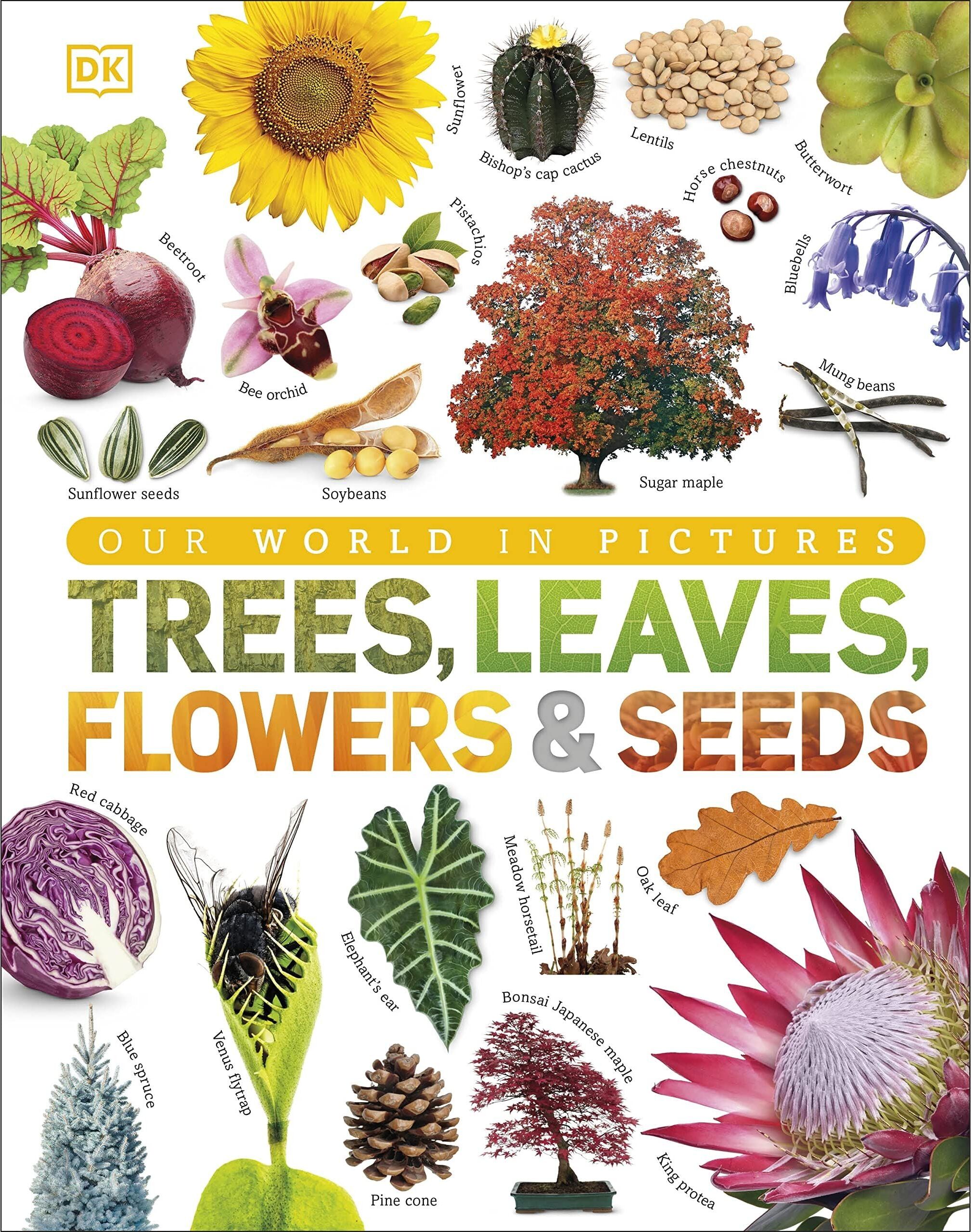
DK Our World in Pictures: Trees, Leaves, Flowers and Seeds: A visual encyclopedia of the plant kingdomPacked with more than 1,000 incredible images and full of fascinating facts, this beautiful children's book takes you on an exciting expedition through the wonders of the plant kingdom. Have you ever wondered which plants eat insects? Or how cacti store water? How about which flowers look like bees? Or where is the tallest tree in the world? If you find yourself seeking the answers to these quirky questions and so many more, then Trees, Leaves, Flowers & Seeds may be the book for you! Explore the incredible world of plants, from the smallest seeds to the tallest trees, whilst you discover all about the weirdest, smelliest and deadliest flowers on our planet, with this engaging encyclopedia for children aged 9-12. Celebrate your child's curiosity as they explore: -Striking and detailed diagrams, drawings and illustrations on every page -Highly visual approach to learning -Ideal combination of colourful diagrams with infographic text boxes This captivating kids encyclopedia also takes a fun, more sideways look at some truly strange plants, such as trees with fruits like a giant's fingers, orchids that look like monkey faces, seeds that spin like helicopters, and trees that drip poison! The striking illustrations, photographs and diagrams featured throughout provide an optimum visual learning experience for both children and adults alike, accompanied by an array of fun facts all about your favourite flowers, plants, trees and more. This plant encyclopedia includes at-a-glance panels that provide a quick reference to all the stats, making this nature book an ideal combination of colourful diagrams and infographic text boxes. In association with DK Smithsonian, the text proves easily-accesible for readers aged 9-12, yet can be enjoyed by the entire family, making this enthralling children's encyclopedia a beautiful and educational gift that can be passed down generations. Learn all about the world one picture at a time!7,95 £*Shipping: 2,99 £Secure redirect to the provider



-
How do you plant sunflower seeds?
To plant sunflower seeds, start by choosing a sunny location with well-draining soil. Prepare the soil by loosening it and removing any weeds. Plant the seeds about 1 inch deep and 6 inches apart. Water the seeds thoroughly after planting and keep the soil consistently moist until the seeds germinate. Once the sunflowers have sprouted, water them regularly and provide support for taller varieties if needed. **
-
How do you plant cherry seeds?
To plant cherry seeds, start by removing the seeds from the cherry fruit and cleaning off any remaining fruit flesh. Then, place the seeds in a damp paper towel and store them in the refrigerator for 10-12 weeks to simulate winter conditions. After the cold stratification period, plant the seeds in a pot with well-draining soil, covering them with a thin layer of soil. Water the soil and place the pot in a sunny location, keeping the soil consistently moist. With time and proper care, the cherry seeds should germinate and grow into cherry seedlings. **
-
How do you plant flower seeds?
To plant flower seeds, follow these steps: 1. Choose a suitable location with well-draining soil and adequate sunlight for the specific type of flower you are planting. 2. Prepare the soil by loosening it with a garden fork or shovel and removing any weeds or debris. 3. Create small furrows or holes in the soil according to the planting depth recommended on the seed packet. 4. Place the seeds in the furrows or holes, spacing them according to the recommended distance for the specific type of flower. 5. Cover the seeds with a thin layer of soil and gently pat it down to ensure good seed-to-soil contact. 6. Water the newly planted seeds gently to avoid washing them away, and keep the soil consistently moist until the seeds germinate. 7. Once the seeds have sprouted, continue to water them regularly and provide appropriate care based on the specific needs of the flower species you are growing. **
-
Does an unfertilized plant produce seeds?
No, an unfertilized plant does not produce seeds. In order for a plant to produce seeds, it must undergo the process of fertilization, where the male pollen from the stamen fertilizes the female ovule in the pistil. Without fertilization, the plant will not produce seeds. **

How do you plant lemon seeds?
To plant lemon seeds, start by removing the seeds from a ripe lemon and washing off any pulp. Then, soak the seeds in water for a few hours to help soften the outer shell. Next, fill a small pot with well-draining soil and plant the seeds about half an inch deep. Water the soil thoroughly and place the pot in a warm, sunny location. Keep the soil consistently moist and in a few weeks, you should start to see sprouts emerging from the soil. With proper care, these sprouts will grow into lemon seedlings. **
Do plant seeds also need sunlight?
No, plant seeds do not need sunlight to germinate. In fact, most seeds germinate best in darkness. Once the seed has sprouted and the plant has emerged from the soil, it does need sunlight for photosynthesis, which is the process by which plants make their own food. However, during the germination process, seeds rely on moisture, oxygen, and the right temperature to begin growing. **
Top-Angebote
Products related to Teachers-Plant-Seeds-That:
-
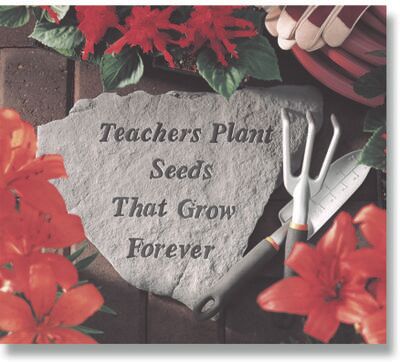
Teachers Plant Seeds That Grow Forever Garden Accent Stone by Kay Berry in Grey"""Teachers plant seeds that grow forever""This beautiful natural garden accent stone comes with a thoughtful quote that is weatherproof and guaranteed to last a lifetime.Made in the USA14 1/2"" x 12 3/4"" Teachers Plant Seeds That Grow Forever Garden..."39,99 $*Shipping: 13,98 $Secure redirect to the provider
-
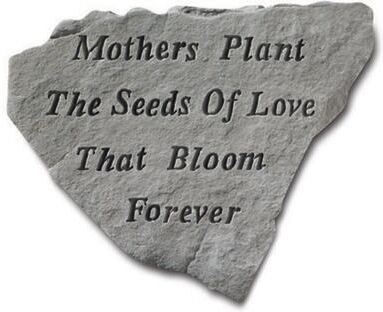
Mothers Plant The Seeds Of Love Garden Accent Stone by Kay Berry in Grey"""Mothers plant the seeds of love that bloom forever.""This beautiful natural garden accent stone comes with a thoughtful quote that is weatherproof and guaranteed to last a lifetime.Made in the USA14 1/2"" x 12 3/4"" Mothers Plant The Seeds Of Love..."39,99 $*Shipping: 13,98 $Secure redirect to the provider
-
Bluebird That Little Voice In Your Head: Adjust the Code that Runs Your Brain by Mo Gawdat - Paperback - Self-Help - New Book - Fast UK DeliveryDiscover a practical self-help guide to quieten negative self-talk and build a calmer, more contented daily life. That Little Voice In Your Head: Adjust the Code that Runs Your Brain, by Mo Gawdat, offers straightforward exercises and honest reflection to help you understand and reprogram your mind. Drawing on his engineering background and years as a senior Google executive, Gawdat treats the mind as a system running old, faulty 'code' inherited from evolution, upbringing and modern life. This paperback edition is a follow-up to his internationally bestselling book, Solve for Happy, and is designed to help you fix a malfunctioning machine - your mind - by first understanding what has gone wrong with it. Written by Mo Gawdat and published by Bluebird, this book is suitable for adult readers.7,99 £*Shipping: 2,99 £Secure redirect to the provider
-
That Sound Game - Fast-Paced Team Party Game for 4+ Players - That Sound GameFast-paced team party game designed for lively groups. Players communicate answers using sounds and movements while keeping hands behind back. Scores points by guessing answers within one minute. Suitable for party game sessions with friends and family.16,29 £*Shipping: 3,95 £Secure redirect to the provider
-
How do you plant seeds?
To plant seeds, you first need to prepare the soil by loosening it and removing any weeds. Then, dig a small hole or furrow in the soil and place the seeds inside at the recommended depth. Cover the seeds with soil and gently pat it down. Water the area thoroughly and keep the soil consistently moist until the seeds germinate. Finally, provide adequate sunlight and care for the seedlings as they grow. **
-
Can you plant pomelo seeds?
Yes, you can plant pomelo seeds. Pomelo seeds can be planted in well-draining soil and kept in a warm, sunny location. It may take several years for the tree to produce fruit, and the resulting fruit may not be identical to the parent fruit due to cross-pollination. However, growing a pomelo tree from seed can be a fun and rewarding gardening project. **
-
How do you plant sunflower seeds?
To plant sunflower seeds, start by choosing a sunny location with well-draining soil. Prepare the soil by loosening it and removing any weeds. Plant the seeds about 1 inch deep and 6 inches apart. Water the seeds thoroughly after planting and keep the soil consistently moist until the seeds germinate. Once the sunflowers have sprouted, water them regularly and provide support for taller varieties if needed. **
-
How do you plant cherry seeds?
To plant cherry seeds, start by removing the seeds from the cherry fruit and cleaning off any remaining fruit flesh. Then, place the seeds in a damp paper towel and store them in the refrigerator for 10-12 weeks to simulate winter conditions. After the cold stratification period, plant the seeds in a pot with well-draining soil, covering them with a thin layer of soil. Water the soil and place the pot in a sunny location, keeping the soil consistently moist. With time and proper care, the cherry seeds should germinate and grow into cherry seedlings. **
Similar search terms for Teachers-Plant-Seeds-That
-
That Sound Game - That Brick Game - Fast Physical Stacking Game for 2-4 Players - Ages 8+Welcome to That Brick Game, a lively building-site challenge where every roll of the dice changes the plan. Players take on the role of Builders competing to create stacks of bricks while avoiding hazards and passing trouble to their opponents. This fast, physical stacking game combines dexterity, decision-making, and playful sabotage. Players must follow the dice, manage their growing piles, and try to leave the smallest amount of rubble when the final brick is laid. The changing instructions keep each round unpredictable, encouraging players to adapt quickly and watch what everyone else is building. To play, roll the dice to determine the next building action, stack bricks, and respond to the hazards shown. Use the rules to disrupt other Builders where possible. Compare the remaining rubble when construction ends. That Brick Game is a compact choice for game nights, offering an energetic tabletop experience for players who enjoy hands-on challenges.15,96 £*Shipping: 3,95 £Secure redirect to the provider
-
DK Our World in Pictures: Trees, Leaves, Flowers and Seeds: A visual encyclopedia of the plant kingdomPacked with more than 1,000 incredible images and full of fascinating facts, this beautiful children's book takes you on an exciting expedition through the wonders of the plant kingdom. Have you ever wondered which plants eat insects? Or how cacti store water? How about which flowers look like bees? Or where is the tallest tree in the world? If you find yourself seeking the answers to these quirky questions and so many more, then Trees, Leaves, Flowers & Seeds may be the book for you! Explore the incredible world of plants, from the smallest seeds to the tallest trees, whilst you discover all about the weirdest, smelliest and deadliest flowers on our planet, with this engaging encyclopedia for children aged 9-12. Celebrate your child's curiosity as they explore: -Striking and detailed diagrams, drawings and illustrations on every page -Highly visual approach to learning -Ideal combination of colourful diagrams with infographic text boxes This captivating kids encyclopedia also takes a fun, more sideways look at some truly strange plants, such as trees with fruits like a giant's fingers, orchids that look like monkey faces, seeds that spin like helicopters, and trees that drip poison! The striking illustrations, photographs and diagrams featured throughout provide an optimum visual learning experience for both children and adults alike, accompanied by an array of fun facts all about your favourite flowers, plants, trees and more. This plant encyclopedia includes at-a-glance panels that provide a quick reference to all the stats, making this nature book an ideal combination of colourful diagrams and infographic text boxes. In association with DK Smithsonian, the text proves easily-accesible for readers aged 9-12, yet can be enjoyed by the entire family, making this enthralling children's encyclopedia a beautiful and educational gift that can be passed down generations. Learn all about the world one picture at a time!7,95 £*Shipping: 2,99 £Secure redirect to the provider
-
Harper The Plant Paradox: The Hidden Dangers in Healthy Foods That Cause Disease and Weight GainFrom renowned cardiac surgeon Steven R. Gundry, MD, the New York Times bestselling The Plant Paradox is arevolutionary look at the hidden compounds in "healthy" foods like fruit, vegetables, and whole grains that are causing us to gain weight and develop chronic disease. Most of us have heard of gluten—a protein found in wheat that causes widespread inflammation in the body. Americans spend billions of dollars on gluten-free diets in an effort to protect their health. But what if we’ve been missing the root of the problem? In The Plant Paradox, renowned cardiologist Dr. Steven Gundry reveals that gluten is just one variety of a common, and highly toxic, plant-based protein called lectin. Lectins are found not only in grains like wheat but also in the “gluten-free” foods most of us commonly regard as healthy, including many fruits, vegetables, nuts, beans, and conventional dairy products. These proteins, which are found in the seeds, grains, skins, rinds, and leaves of plants, are designed by nature to protect them from predators (including humans). Once ingested, they incite a kind of chemical warfare in our bodies, causing inflammatory reactions that can lead to weight gain and serious health conditions. At his waitlist-only clinics in California, Dr. Gundry has successfully treated tens of thousands of patients suffering from autoimmune disorders, diabetes, leaky gut syndrome, heart disease, and neurodegenerative diseases with a protocol that detoxes the cells, repairs the gut, and nourishes the body. Now, in The Plant Paradox, he shares this clinically proven program with readers around the world. The simple (and daunting) fact is, lectins are everywhere. Thankfully, Dr. Gundry offers simple hacks we easily can employ to avoid them, including: Peel your veggies. Most of the lectins are contained in the skin and seeds of plants; simply peeling and de-seeding vegetables (like tomatoes and peppers) reduces their lectin content. Shop for fruit in season. Fruit contain fewer lectins when ripe, so eating apples, berries, and other lectin-containing fruits at the peak of ripeness helps minimize your lectin consumption. Swap your brown rice for white. Whole grains and seeds with hard outer coatings are designed by nature to cause digestive distress—and are full of lectins. With a full list of lectin-containing foods and simple substitutes for each, a step-by-step detox and eating plan, and delicious lectin-free recipes, The Plant Paradox illuminates the hidden dangers lurking in your salad bowl—and shows you how to eat whole foods in a whole new way.6,99 £*Shipping: 2,99 £Secure redirect to the provider
-
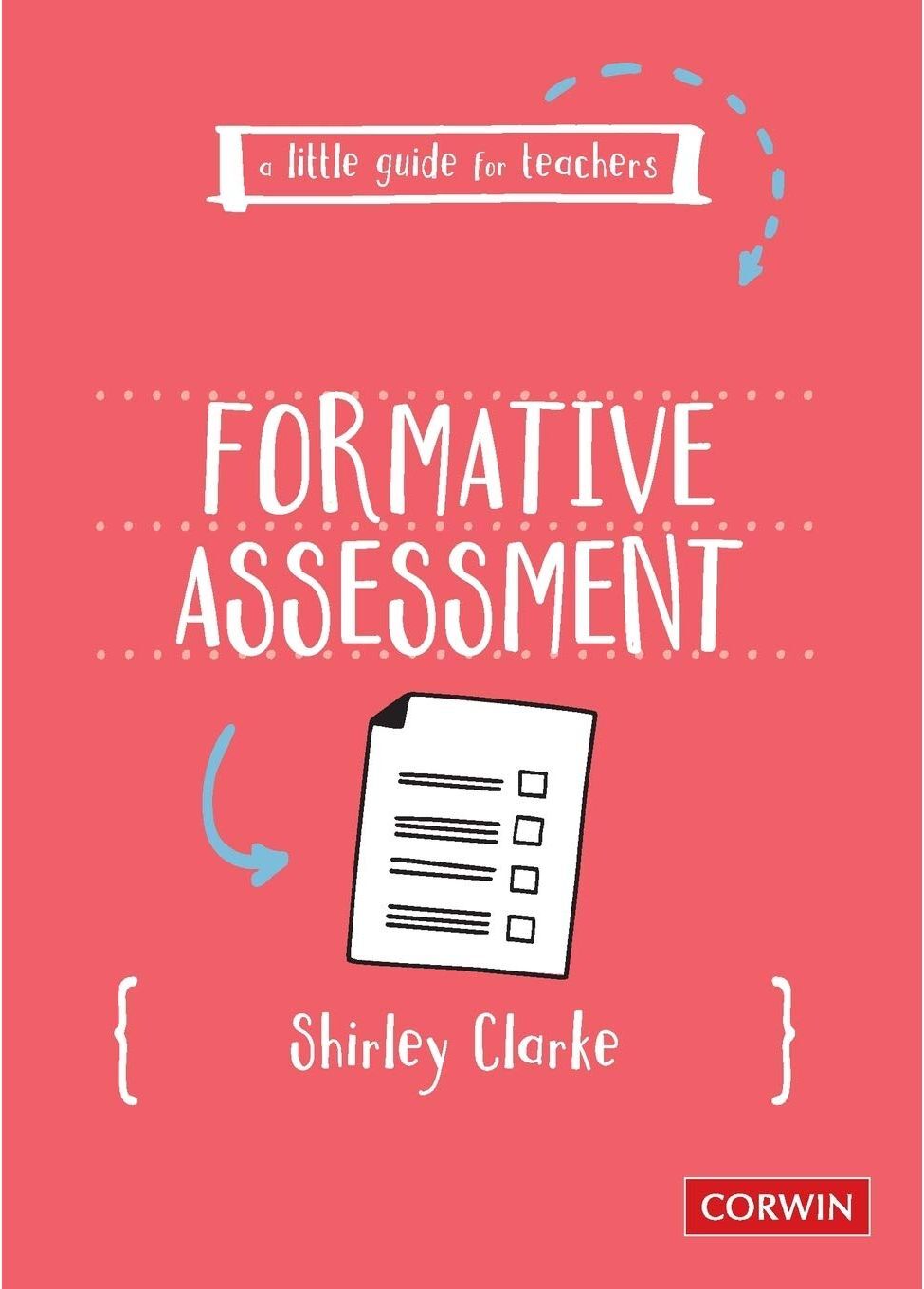
SAGE Publications A Little Guide for Teachers: Formative Assessment (A Little Guide for Teachers)Bridging the gap between research and practice A Little Guide for Teachers: Formative Assessment gives teachers practical tried and tested strategies to put formative assessment into action in their classrooms. The Little Guide for Teachers series is little in size but BIG on all the support and inspiration you need to navigate your day to day life as a teacher. · Authored by experts in the field · Easy to dip in-and-out of · Interactive activities encourage you to write into the book and make it your own · Fun engaging illustrations throughout · Read in an afternoon or take as long as you like with it!12,99 £*Shipping: 2,99 £Secure redirect to the provider
-
How do you plant flower seeds?
To plant flower seeds, follow these steps: 1. Choose a suitable location with well-draining soil and adequate sunlight for the specific type of flower you are planting. 2. Prepare the soil by loosening it with a garden fork or shovel and removing any weeds or debris. 3. Create small furrows or holes in the soil according to the planting depth recommended on the seed packet. 4. Place the seeds in the furrows or holes, spacing them according to the recommended distance for the specific type of flower. 5. Cover the seeds with a thin layer of soil and gently pat it down to ensure good seed-to-soil contact. 6. Water the newly planted seeds gently to avoid washing them away, and keep the soil consistently moist until the seeds germinate. 7. Once the seeds have sprouted, continue to water them regularly and provide appropriate care based on the specific needs of the flower species you are growing. **
-
Does an unfertilized plant produce seeds?
No, an unfertilized plant does not produce seeds. In order for a plant to produce seeds, it must undergo the process of fertilization, where the male pollen from the stamen fertilizes the female ovule in the pistil. Without fertilization, the plant will not produce seeds. **
-
How do you plant lemon seeds?
To plant lemon seeds, start by removing the seeds from a ripe lemon and washing off any pulp. Then, soak the seeds in water for a few hours to help soften the outer shell. Next, fill a small pot with well-draining soil and plant the seeds about half an inch deep. Water the soil thoroughly and place the pot in a warm, sunny location. Keep the soil consistently moist and in a few weeks, you should start to see sprouts emerging from the soil. With proper care, these sprouts will grow into lemon seedlings. **
-
Do plant seeds also need sunlight?
No, plant seeds do not need sunlight to germinate. In fact, most seeds germinate best in darkness. Once the seed has sprouted and the plant has emerged from the soil, it does need sunlight for photosynthesis, which is the process by which plants make their own food. However, during the germination process, seeds rely on moisture, oxygen, and the right temperature to begin growing. **
* All prices are inclusive of VAT and, if applicable, plus shipping costs. The offer information is based on the details provided by the respective shop and is updated through automated processes. Real-time updates do not occur, so deviations can occur in individual cases. ** Note: Parts of this content were created by AI.